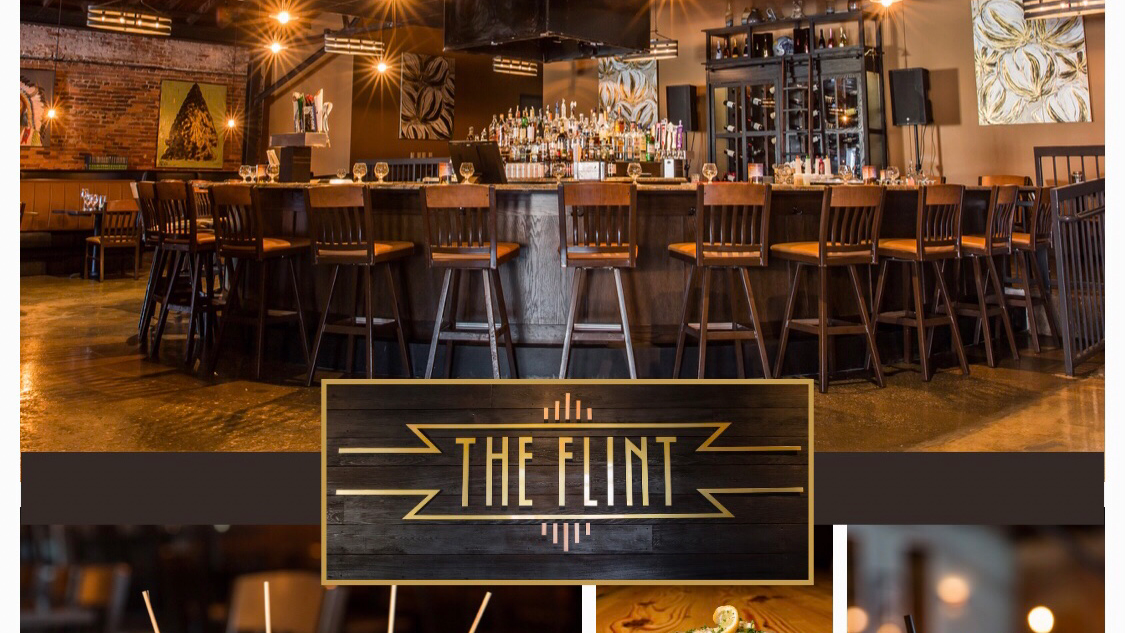
The Flint is a great spot located in downtown Albany. The space is stylish and clean, with a warm, welcoming vibe. The staff are friendly, helpful, and quick. The food is excellent, from the burgers to the seafood and meat dishes, everything is flavorful and well-prepared. The spinach dip is especially tasty and definitely worth trying. The drinks are also well crafted, and the background music, a mix of soul, funk, and R&B, sets a perfect mood for the evening. The only downside, unfortunately, is the location. While the restaurant itself is great, the surrounding area can feel a bit unsafe at times, depending on who’s around. That said, if you’re comfortable with the neighborhood, the dining experience at The Flint is definitely worth it. See you next time!
Overview
Walking into The Flint feels like stepping into one of those places locals quietly protect because it’s part of their routine. Sitting at 112 Pine Ave, Albany, GA 31701, United States, this diner-style restaurant blends comfort food, community energy, and a sense of familiarity that’s hard to fake. I’ve eaten here on slow weekday afternoons and busy evenings alike, and the experience stays consistent in the ways that matter most: warm service, dependable flavors, and a menu that doesn’t try to be clever for attention.
The menu leans into classic diner and Southern-inspired dishes, and that’s where it shines. You’ll find hearty plates built around simple processes that work, like slow-griddled meats, scratch-made sides, and recipes that prioritize balance over excess. During one visit, I watched the kitchen handle a sudden rush without shortcuts-orders were paced, not rushed, which explains why food hits the table hot and properly finished. That kind of discipline is something restaurant consultants often point to as a marker of long-term success, especially in independent diners.
What stands out is how the menu adapts without losing its identity. Seasonal specials rotate in, but the core comfort-food staples stay anchored. According to the National Restaurant Association, more than 60% of diners prefer restaurants that offer familiar food with small creative twists, and this place quietly follows that principle. You’re not overwhelmed with choices, yet there’s enough variety to keep regulars engaged.
Reviews from Albany locals frequently mention consistency, which is one of the hardest things for a restaurant to maintain. Food quality studies from Cornell University’s School of Hotel Administration show that repeat customers value reliability over novelty by nearly a 2-to-1 margin. That insight tracks perfectly here. Whether it’s breakfast-for-dinner vibes or a midday lunch stop, the flavors don’t drift.
The atmosphere adds to the appeal. It’s casual, lived-in, and welcoming without feeling staged. The dining room encourages conversation, and you’ll notice tables of regulars who already know the staff by name. From an operational standpoint, this kind of relationship-building is a proven retention method. Hospitality researchers often note that diners who feel recognized are far more likely to leave positive reviews and recommend locations to friends, even more than those impressed solely by décor.
Location matters too. Being right on Pine Ave makes it easy to reach from multiple parts of Albany, which helps explain the steady foot traffic. Accessibility plays a major role in restaurant choice, especially for diners looking for a reliable local spot rather than a destination-only experience. Parking is straightforward, and the surrounding area fits the low-key diner vibe rather than competing with it.
One thing worth acknowledging is that this isn’t a fine-dining destination or a trend-driven concept. If someone is hunting for experimental plating or upscale fusion, this may not check that box. That limitation is also its strength. The Flint knows exactly what it is and doesn’t drift outside that lane. In an industry where restaurants fail most often due to unclear identity, that focus builds trust.
From a practical standpoint, pricing stays reasonable, portions feel fair, and service timing is predictable. Those factors matter more than most diners realize. Studies from the Journal of Foodservice Business Research consistently show that perceived value is driven by the relationship between portion size, price, and wait time, not just taste alone.
If you skim through reviews online, a few phrases come up again and again, like home-style cooking, friendly staff, and reliable local spot. Those aren’t buzzwords; they’re reflections of lived experience. I’ve seen staff handle special requests with patience and explain menu items clearly, which signals confidence and training rather than guesswork.
At its core, The Flint operates on a simple formula that many restaurants overlook: do fewer things, do them well, and treat people like they’ll be back tomorrow-because they probably will.
Good to know
Service options
✓ Outdoor seating ✓ Takeaway ✓ Dine-inHighlights
✓ Fast service ✓ Great beer selection ✓ Great cocktails ✓ Great coffee ✓ Great dessert ✓ Great tea selection ✓ Great wine list ✓ Live music ✓ Serves local specialtyPopular for
✓ Lunch ✓ Dinner ✓ Solo diningAccessibility
✓ Wheelchair-accessible car park ✓ Wheelchair-accessible entrance ✓ Wheelchair-accessible seating ✓ Wheelchair-accessible toiletOfferings
✓ Alcohol ✓ Beer ✓ Cocktails ✓ Coffee ✓ Comfort food ✓ Healthy options ✓ Small plates ✓ Spirits ✓ WineDining options
✓ Brunch ✓ Lunch ✓ Dinner ✓ Dessert ✓ Seating ✓ Table serviceAmenities
✓ Bar on site ✓ ToiletAtmosphere
✓ Casual ✓ Cosy ✓ Quiet ✓ Romantic ✓ Trendy ✓ UpmarketCrowd
✓ Groups ✓ TouristsPlanning
✓ Accepts reservationsPayments
✓ Credit cards ✓ Debit cards ✓ NFC mobile payments ✓ Credit cardsParking
✓ Free of charge street parking ✓ Free parking lot ✓ ParkingPhotos
Location
Reviews
food was delicious! i can’t recommend the potato soup & lamb chops more. The wine selections were great too, my server was very sweet. My only suggestion to the restaurant is to pay more attention at the front by the host stand when customers come in, because i was waiting for a while before i decided to wander in. I also feel like the presentation of the actual food could have been better, but the delicious taste is really what matters (& is most important!) For my first time in Albany, I’m glad i stopped by The Flint it was great!
We stopped here on the way to Disney and it was INCREDIBLE!!! Service was great and our food was delicious! I got the stuffed flounder with grits and greens, and my fiancé got the lamb chops with mac n cheese and asparagus. Asparagus had a great char and the portion of lamb chops was filling. The sauce on the flounder was also really good. The food came out really fast. We will be back!
I visited the Flint on 9/20/25. We had reservation for 8pm. The experience was simply AMAZING!!! The service was great, the food was superb (absolutely delicious, no complaints) and the ambience was nice. We arrived a few minutes before our 8 o'clock reservation. We were welcome and asked to sit in the waiting area. Within 2-3 minutes we was escorted to our table but not before being greeted by the owner's son who I know as Duece. I wasn't sure if he remembered me but he did. I asked if we could change our table and he obliged with a smile. I ordered stuff flounder, rice, and salad. My guest order the red snapper which came with a red sauce and sweet potatoes and fries. The portion of food was on point but the red snapper was big (money well spent). We sampled each other food and everything was decilious!!! Our waiter Timothy came over and asked "were we celebrating a special occasion", and chatted with us a little bit. Timothy was great and made us laugh. Timothy displayed excellent customer service!!! The atmosphere was romantic. The lights were dim and the music (sax player) was a total vibe. I would love to give you guys 10 stars but I don't have that option. I think the Flint has really elevated downtown Albany. The only thing I would suggest is I would love if broccoli florets was a vegetable option. Of course with fine dining you will not pay McDonald's prices but it's worth every penny. Please treat yourself you won't be disappointed.
I have to visit Albany for work once per month. This is now my restaurant for dinner every time I go now! I sat at the bar and the bartender was so friendly and knowledgeable about the menu. He made an excellent sidecar martini, too! For dinner I had a side salad, stuffed flounder, and asparagus. ALL of the food was delicious! Very flavorful! Looking forward to dinner here, again. Highly recommend this place if you’re in Albany
We had an excellent dinner at The Flint before a concert. Service was great and very friendly. Food was amazing. The lamb chops are some of the best I have ever eaten. Definitely try the greens and the cheese grits. Amazing!